Hair extensions & thickening - Why they change color and what you can do about it
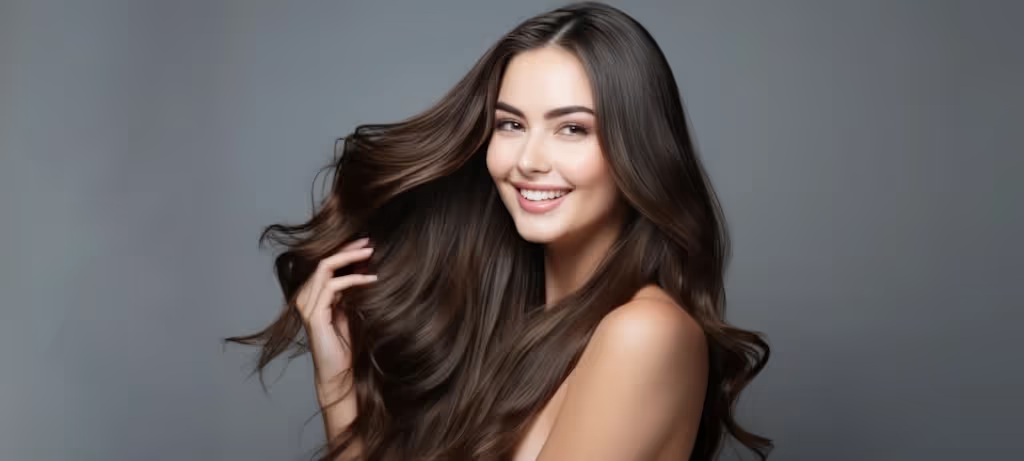
Suddenly discolored hair extensions — a nightmare for many who have invested a lot of money and care in their long hair. In particular, bleached extensions can cause strands to turn orange, pink or greenish. Why does this happen with extensions of all places and not to this extent with your own hair? In this article, we explain the most common causes of discoloration (especially those caused by users themselves) and give practical tips on how to protect your tapes, bonds or wefts from such color mishaps. Important to know: In most cases, such discoloration is not a sign of poor hair quality but is due to external influences — and it is difficult or impossible to reverse afterwards. That makes it all the more worthwhile to take preventive action and know the right measures.
Why do extensions stain more easily than your own hair?
Human hair extensions — whether as tape extensions, bondings or sewn wefts — differ in their structure from natural hair. Extensions usually go through an intensive chemical process: First, the original color is removed from the donor hair (it is heavily lightened or depigmented) and then dyed to the desired tone. Blonde extensions in particular were originally often darker and were lightened by bleaching. This procedure has two consequences:
- The hair structure of the extensions is more porous and sensitive. Since hair is no longer connected to the scalp, it lacks natural protective oils and nutrients. Extensions therefore absorb foreign substances faster than your own, regrowing hair. In a sense, they behave like a sponge that absorbs pigments or chemicals from the environment.
- Warm pigments may remain under the artificial target color of the extension that you do not initially see. When the cool color pigments (e.g. ash or purple shades that keep a shade of blonde neutral) wash out over time or are destroyed by chemical reactions, the warm undertone reappears. This explains why bleached hair — whether on your own head or as an extension — can develop a yellow or orange tint over time if nothing is done about it.
In short: Extensions are more susceptible to damage and discoloration than your own hair. This is a material-related property and not an error of the extensions. Even high-quality hair extensions are sensitive to certain influences — regardless of brand or quality. Once you know about these causes, you can better prevent discolouration.
Common causes of discoloration in extensions
In the following, we look at the most common external causes that can lead to unsightly color changes in your hair extensions. Many of them are related to typical summer activities — but even in winter, there are a few pitfalls that you should be aware of.
1. Sunscreens and skincare products
Sunscreen is probably the most well-known “culprit” when extensions suddenly turn orange or pink. The reason lies in certain chemical UV filters in many sunscreen products. Avobenzone (butylmethoxydibenzoylmethane) in particular, often in combination with octocrylene, reacts with hair under UV light and causes a chemical reaction. This produces reactive oxygen molecules (free radicals), which attack the hair structure and break down melanin pigments in the hair. What remains is an orange or pink tinge, which is particularly visible on blond hair. Put simply: The UVA filter avobenzone has its own color that is transferred to the hair when exposed to sunlight — similar to how it can also leave permanent stains on clothing or bath towels. Octocrylene enhances this effect by stabilizing avobenzone and keeping it effective for longer.
In addition, avobenzone can react with metal particles in water. In combination with iron-rich tap or pool water, this leads to oxidation — a rust spot on the hair, so to speak. This explains why many people only notice that their extensions are discoloring while on vacation: You apply sunscreen every day and go swimming or showering — the substances build up over the days and at some point your hair suddenly shimmers apricot.
In addition to sunscreens, other skincare products can also be problematic, especially if they contain coloring ingredients:
- Beta carotene (provitamin A) is a natural colorant that is found in some tanning oils, self-tanners, or after-sun lotions. It gives the skin a slight golden tone — and can unfortunately turn blonde extensions bright orange when deposited there. Beta carotene is fat-soluble and therefore “sticks” well to hair. Once absorbed, this color cast is extremely stubborn and can barely be washed out
- Self-tanners (DHA) and tinted body lotions can have a similar effect. When such products get on the extensions (e.g. at the roots, on the neck or through contact with skin that has lotion on it), the porous hair absorbs the brownish pigments. The result is unwanted yellow-orange stains where hair and skin came into contact
- Day creams with UV protection (which are also used in winter, e.g. when skiing) often contain the same filters as sunscreens. Lip balm, makeup or foundation with a self-tanning effect can also leave an orange film on light strands if the hair often brushes against them.
The key point: Oily or tinted care products can transfer their colorants to extensions. This is especially true when these products are not completely absorbed and solar radiation or heat is then added. Bleached extensions react much more strongly to this than your own hair — the latter only has a slight yellow tint, while blonde extension hair can visibly turn orange.
2. Chlorine and salt water
Swimming pool water and seawater are other common causes of color changes in extensions — particularly in combination with sun or heat.
- Chlorinated water (pool): Chlorine is used to keep water clean by oxidatively “bleaching” organic residues. Unfortunately, it also bleaches our hair in the process. Chlorine removes oils, moisture, and even color pigments from hair, causing extensions to become brittle and lose color. Chlorine can cause a greenish discoloration in blond hair — often as a result of chlorine coming into contact with metals (copper pipes, etc.), which are in water and then attach to the hair (classic green tint in blondes). Extensions that lack protective layers due to previous chemical treatment are affected particularly quickly. The hair may look duller and duller after frequent swimming or take on an unsightly veil.
- Salt water (sea or sweat): Salt also removes moisture from the hair. The result is dry, roughened strands, in which the originally stored color pigments find less grip. Especially with cold or ash-blond colored extensions, salt water can remove the delicate shades of silver so that warmer, yellowish shades come through again. In addition, seawater reflects sunlight, which enhances the bleaching effect of UV rays. After a beach holiday, many notice that their extensions have become significantly lighter or “brassier” than before.
Another factor: In summer, you often let your hair hang down loose and wet over your skin (covered in sunscreen) while bathing or sunbathing. This is virtually an invitation for sunscreen + water to be constantly in contact with the extensions — the perfect mix to provoke orange stains, as we've seen above. Therefore, swimming and sunbathing are the most critical activities for light-colored extensions.
3. UV radiation (sun and solarium)
Regardless of products, UV radiation itself plays a role. Sunlight bleaches hair — this is known from natural hair (in summer, the ends of many people's hair get lighter on their own). In the case of extensions, direct sun can also fade or change the color. Darker shades lose intensity, and bleached shades become even warmer (because the cool color pigments are destroyed more quickly). In addition, intense sun dries out the hair, making it more porous and susceptible to further damage.
A similar effect occurs in tanning beds: The artificial UV-A rays not only tan the skin, but can also weaken the keratin bonds in the extensions. With keratin bonding extensions, the adhesive can become porous due to frequent visits to the solarium, and the hair itself can bleach out. In addition, tanning beds often use special tanning lotions — which in turn could contain beta-carotene or other active ingredients that stain the hair (similar to sunscreen).
UV radiation is also an issue in winter, for example during skiing holidays in the mountains. The combination of high altitude sun and rich cold-weather creams on the face can affect extensions just as much as the summer sun on the beach. Remember: UV damage and product residue are an issue in every season; you just notice them more often in summer.
4. Minerals in water and hair routine
You don't always need obvious chemicals to give extensions an unsightly color cast — sometimes just tap water at home is enough. In some regions, the water is very hard, i.e. rich in minerals such as calcium and magnesium, but also traces of metals (iron, copper). These minerals can build up in the hair with every hair wash — similar to the limescale film that forms on shower heads or tiles. For extensions that do not have a protective sebum layer, over the course of weeks this leads to discoloration and a dull, yellowish film on the hair. Iron in water in particular can cause a slightly reddish tinge (in combination with certain shampoos or products).
In addition, incorrect care products can make the situation worse. For example, shampoos with silicones or strong conditioners leave layers on the hair that can react with mineral-rich water. Thermal water from thermal baths or spas often contains sulfur and other minerals — this too can stain extensions or damage the attachment points. If you like going to the thermal spa or sauna in winter, you should keep that in mind.
Last but not least, it should be mentioned that certain hair care or styling products may themselves contain color pigments (e.g. tinted dry shampoos, colored shine sprays) — these should be used with caution on very light extensions, as they could leave a haze. The same applies to hairspray or perfume that contain yellowish resins or oils: They not only dry out the hair, but can also cause slight yellowing when heated. In general, anything that gets into the hair and is not clear can potentially cause discoloration.
5. Clothing and external influences
Sometimes the color transfer also comes from something you don't even think about — clothing or textiles. Light-colored extensions that constantly rub on dark fabrics can absorb dyes over time. A typical example: In winter, you wear a new dark red scarf or a black hat and the blonde extensions rest directly on it. Friction, moisture (rain, snow) or sweat can transfer minimal amounts of dye from the fabric to the hair. The hair then gets an unwanted gray haze or shimmer in the color of the garment. The more porous the hair (extensions are often a bit roughened), the more likely foreign particles can stick.
The situation is similar with bed linen: If you sleep with loose, light-colored extensions on colored pillows (especially new, not often washed covers), you risk that some color will stick to your hair. Although such stains are usually not bright orange, they can make the light blonde look dirty or sallow.
Cigarette smoke and other air pollutants also increasingly settle in porous hair. Heavy smoke can cause a yellow tinge — think of the yellowing of curtains in smoking households. While your own hair gradually sheds this film thanks to the natural oils of the scalp, it tends to stick to extensions.
Conclusion on the causes: Most stains are caused by external factors, to which extensions are more susceptible than untreated hair. From sunscreen to pool water to tap water — many everyday things can trigger unwanted color reactions. It is important to know this in order to be able to take countermeasures in good time. In the next section, we'll show you how to protect your hair extension and avoid such problems.
Can discoloration be removed?
Once extensions have discolored (e.g. significantly orange-tinged), the question is: Can this be undone? The sobering truth: Only to a limited extent. Many stains are permanent because they penetrate deep into the hair fiber or have destroyed pigments. An orange tint caused by beta-carotene or avobenzone is usually not easy to wash out. Even repeated washing or home remedies such as silver shampoo often barely help, as it is not a yellow pigment film that is the cause, but a chemical reaction.
Some manufacturers and salons offer special anti-orange treatments or cleansing sprays that can at least alleviate the discoloration. These products often have a chelating effect (bind metal ions) or neutralize stored dye. One example is a so-called Color Reset or Color Restore spray, which was developed to remove orange color casts from extensions. In some cases, such treatments can be successful and correct the tone somewhat. However, care should be taken: any additional chemical treatment further damages the already damaged hair. In addition, these remedies do not always work 100% — especially if the discoloration has been severe or has been absorbed for a long time.
In fact, it is most effective to replace the strands if the discoloration is very noticeable and annoying. Of course, this involves costs and is therefore a last resort. That is why our urgent advice: Prevent rather than repair later! In the next section, you'll learn how to stop it from getting that far in the first place.
⚠ Warranty note: Discoloration due to external influences is not considered a material defect in the extensions, but as improper treatment. The manufacturer's guarantee or the statutory warranty will normally not apply in such cases. On the contrary, it is often possible to identify which substances have caused the discoloration — for example by chemical analysis of the residues in the hair. In other words: When extensions turn orange, this is not a defect in the quality of the hair, but is due to the effects of beta-carotene or avobenzone, for example. Be aware of this, as neither manufacturer nor salon are liable for such damage — the responsibility lies with the user. But don't worry: With a little care, they are very easy to avoid!
How to avoid discoloration — tips for everyday life
Now that we know the causes, here are the most important tips to keep your extensions beautiful and true to color. With these measures, you can protect your hair extensions from discoloration and other damage in summer and winter:
- Choose avobenzone-free sunscreen: When it comes to sunscreens, pay attention to the ingredients. Some manufacturers offer special sunscreens that do not cause discoloration. Preferably use mineral sunscreens with zinc oxide or titanium dioxide instead of chemical filters. These reflect UV rays instead of chemically absorbing them and do not react with the keratin in the hair. Products labeled “non-staining” are often available. If in doubt, ask your hairdresser for recommended brands.
- Let skin products absorb completely: Apply lotion, cream, or sunscreen well before dressing and hair styling. Tie up your extensions as you apply cream. Wait until the skin care is completely absorbed and dry before your hair comes into contact with it. You can wipe off excess cream from shoulders and neck with a clean towel. This reduces the amount that can reach the hair.
- Put your hair up or protect it: When you soak up the sun or do sports that make you sweat: wear your hair tied up (bun, ponytail, braid) and avoid letting it rest on skin with lotion on it. At the beach or pool, a chic hat or silk scarf can also do a wonderful job — they also protect against UV radiation and prevent direct contact of the hair with skin and water. Especially when it comes to blonde extensions, an updo is the better choice when sunscreen is involved.
- Minimize contact with chlorine and salt water: Ideally, avoid diving in the pool or sea with extensions or keep your head above water. If that spoils the fun, then at least get your hair wet before swimming and rinse it with clean tap water (this way it absorbs less chlorine/salt water). If necessary, apply some leave-in conditioner or hair oil to the lengths as a barrier. Rinse immediately after swimming: Rinse hair thoroughly with fresh water to wash out chlorine, salt, and any chemicals. By the way, the same applies to thermal baths: After bathing, rinse your hair well with normal water and care for it.
- Gently clean regularly: Use a clarifying shampoo (deep cleansing shampoo) from time to time to remove product, mineral or chlorine deposits. Professional brands such as NEWSHA offer mild deep cleansing shampoos that remove residues from hair without straining it too much. Such cleaning is particularly useful after holidays or frequent use of the swimming pool. Important: Always use a nourishing treatment or conditioner afterwards to keep the hair supple.
- Use UV protection for hair: Just as there is sunscreen for the skin, there are UV protective sprays for the hair. These products contain UV filters that protect hair from radiation and prevent fading. High-quality products (e.g. Oribe Invisible Defense) are lightweight and leave no film, but offer effective protection against UV rays and even other environmental influences. A few sprays into your hair before you go out in the sun can make the difference — your extensions stay colorfast and moisturized too.
- Care, care, care: Well-maintained extensions are more resistant to everything. Always keep your hair extensions sufficiently moist and nourished so that the cuticle remains closed. Use moisturizing masks and oils regularly for the lengths (e.g. a rich mask once a week). Well-sealed hair absorbs foreign pigments less easily. However, be careful to only apply oils to the lengths and ends and not to the bonding areas so as not to loosen the connections. According to experts, a thin layer of hair oil on the ends before a day at the beach can help reduce the penetration of coloring substances.
- Gentle styling routine: Avoid high heat when styling and always protect hair with heat protection spray. Overheated, dry hair is more susceptible to chemical reactions. Comb extensions carefully so as not to damage the cuticle — intact hair absorbs less foreign substances than rough, damaged hair. And as mentioned above: wash again after smoke or a smoggy environment to remove deposits before they settle.
- Be careful with clothes: If you have freshly made, light-colored extensions, it is best not to wear brand-new, dark-colored clothing without first washing them. If you wear hats or scarves, choose ones that won't transfer color. If in doubt, you can wear a silk scarf under your wool hat to avoid direct rubbing — this prevents hair breakage and static charging in addition to discoloration.
In summary: With a few precautionary measures, you can significantly reduce the risk of discoloration. The most important rule is to handle your extensions consciously, especially when you apply products or go into water. Always remember what is touching your hair and follow the motto: Better to protect or rinse once too often than regret it later! Your extensions will thank you by lasting longer and keeping their radiant color.
Conclusion
Hair extensions add fantastic length and fullness in the blink of an eye — but they also require a bit of extra attention to stay beautiful. Discoloration of extensions is usually not caused by chance, but by certain external influences such as sunscreen, chlorine, salt water or mineral-rich water. The fact that extensions are more affected than your own hair is due to their pre-damaged and porous structure — so this is normal with all brands and methods and something you should be aware of. The good news: If you know the causes, you can prevent discoloration. With suitable products (e.g. mineral sunscreen and UV spray for hair), the right care and a few tricks in everyday life, discoloration can be avoided in most cases. This allows your tapes, bondings and wefts to retain their desired shade and stay as glossy as on the first day for a long time.
Should an orange tint or something similar occur, don't panic. Get advice from your extension professional — but be aware that personal fault (e.g. through sunscreen) is not covered by the warranty. All the better if you heed this guide and don't let it get that far in the first place. With careful behavior and the tips mentioned above, you can enjoy your hair extensions worry-free, whether on the beach in summer or in the mountains in winter. Your extensions stay beautiful — and so will you!
Sources
- Attention: Extensions turn orange! - https://www.bellamidas.ch/blog/achtung-extensions-orange-verfaerbt
- Remove orange tint. Help! My hair extensions are changing color - https://www.echthair.de/blogs/extensions/hilfe-meine-extensions-farben-sich-orange
- Why do hair extensions turn orange/brassy? | Secret Hair Extensions - https://www.secrethairextensions.co.uk/why-do-hair-extensions-turn-orange-pinkbrassy/
- Protect your hair extensions from discoloration - https://globalextend.de/blogs/hair-beauty-blog/oragen-verfaerbung-bei-extensions-vermeiden
- Sunscreen and Hair Extensions | SimplyHair - https://www.simplyhair.co.uk/en-us/blogs/advice/sunscreen-and-hair-extensions
- Extensions and sun protection: How to protect your hair from UV rays - https://simpliehair.com/journal/extensions-und-sonnenschutz-so-schuetzt-du-dein-haar-vor-uv-strahlen/
- The right care for your hair extension — https://www.nivea.at/beratung/schoene-haare/haarverlaengerung-pflegen
About the author

Sandra von Gneisenau
Sandra, the founder of the Sandra von Gneisenau Salon, sees professional skill combined with a special feel for each individual as one of the core elements of her craft in her role as managing director and stylist. Early in her career, she earned her master hairdresser qualification and took on management positions in exclusive salons in Munich. Her work with clients from Germany and abroad has shaped her understanding of quality and close client relationships. Her clients include national and international celebrities, among them well-known figures from film, television, social media and public life, who come to her because of her expertise, her discretion and their trust in her skills. Her training and hands-on experience allow her to work at the highest level and to understand and realize her clients' wishes precisely. In her articles, she offers deep insights into her professional expertise and her experience with a wide range of clients, making her a well-informed advisor on beauty and finding your personal style.
You can find more information about Sandra and her career here
About Sandra
We place great importance on the quality and authenticity of our articles. Learn more about how we create our content and make sure it is based on sound expert knowledge:
Our transparency notice
Share article
.svg)
.svg)
.svg)
.svg)
.svg)


.svg)