The way to perfect hair color
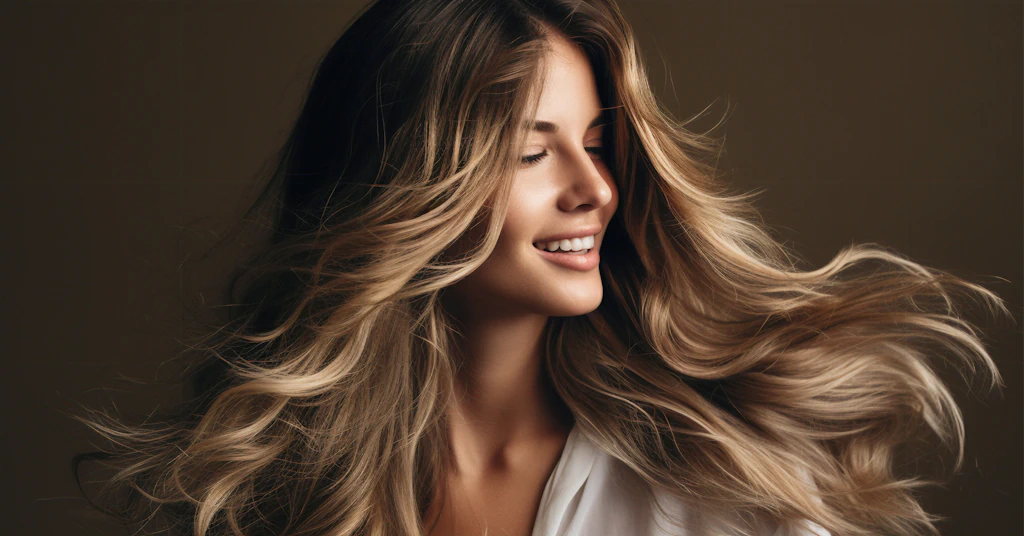
In the world of hair coloring, one technique stands out that is popular with celebrities and hair stylists alike — balayage. This bespoke coloring method has established itself as a true game changer in the beauty industry. It not only promises an individual color scheme that is perfectly tailored to the respective hair type and the wishes of customers, but also a seamless transition from natural roots to glowing ends. However, in the world of hair coloring, there is not only balayage but also other techniques that help create the right individual look.

Babylights — The fine art of lightening
This form of hair lightening, particularly in blonde, offers a more natural, less eye-catching look compared to classic highlights and is perfect for fine, blonde highlights that achieve a subtle effect. These fine light reflections in hair create a soft, sun-kissed effect that is ideal for those who want a subtle change. Compared to traditional highlights, which often achieve a stronger, brighter effect, babylights represent a gentler transformation.
To achieve the fine and natural effects of Babylights, very thin strands of hair are lightened. This technique requires precision and skill to ensure a smooth and subtle effect.
How long babylights last
To make babylights last longer, it is recommended to use special care products that moisturize the hair and protect the color. Babylights should be recolored regularly — usually every 8 to 12 weeks, depending on hair growth and the desire to keep the color fresh. Despite using bleach, babylights are no more harmful to hair than other coloring techniques as long as they are done professionally.
Combinations with other techniques
They can also be combined beautifully with other coloring techniques such as Balayage, classic highlights or a full color to create individual, multi-dimensional looks. The selection of the right nuance depends on the customer's wishes, type and initial situation. A thorough consultation in the salon can help you find the perfect tone.
Special care
Rich, moisturising products such as masks and leave-in conditioners are recommended to care for babylights. For optimal care, we recommend the leave-in conditioner from Newsha or the Conditioner for Beautiful Color from Oribe. These products help keep hair healthy and maintain the luminosity of the color. Since babylights create a soft transition, an unwanted color transition is usually no problem. For those who want even more subtle lightening, painting can offer an alternative that achieves a delicate effect similar to Babylights but with a different technique.
In summary, babylights are a way to give hair a gentle, natural lightening that is versatile and customizable. With proper care and regular touch-ups, babylights can create a long-lasting beautiful and natural look that accentuates the subtle nuances of individual style.

Balayage — the classic look
The classic look, characterized by naturalness and smooth transitions, sets standards in hair finishing techniques, ideal for anyone who prefers a natural color gradient. Caring for Balayage is just as important as with other color treatments, as blonde hair is generally more damaged and requires rich care.
Balayage trends
Current trends in balayage include “extreme frames,” which frame the face with lighter shades, as well as natural shades of blonde. At the moment, the trend is toward warmer tones, e.g. honey blonde
Special care
To prevent balayage blonde from fading too quickly, it is important to protect hair from heat, sunlight and frequent washing.
The transition to balayage blonde from a darker hair color often requires several sessions, between which the hair should be carefully cared for. In order to achieve the perfect and desired shade of blonde, the hair is first bleached to the desired brightness. After that, glossings are used to produce the desired shade of blonde. This should be refreshed regularly.
Recommended hair structure
Balayage generally goes well with all haircuts, but it is particularly effective with shoulder-length or longer hair. The application of the technique is adjusted depending on the thickness and structure of the hair, working finer for fine hair and coarser for thick hair. The hair structure should be healthy and stable for the best results.
Home care
For balayage home care, products that repair and moisturize hair, such as masks, leave-in conditioners, special shampoos, and the use of hair oils, are recommended. These care steps help keep hair healthy and maintain the luminosity of the blonde tone.

Brown meets blonde
For a harmonious color transition from brown to blonde, careful tone selection is essential to enhance and perfect dark hair with highlights that should match the natural hair color, type and skin tone. For a seamless transition, experts use techniques such as soft painting methods, special highlighting techniques, Glossing and Root Shadow to create depth and dimension without creating too much contrast.
Special care
Regular care is crucial to maintain the balance between brown and blonde shades. Refreshing the color is recommended every 3 to 5 months, depending on personal wishes. Products such as glossing, tinting and toning rinses are recommended to maintain color intensity.
Recommended hair structure
This technique looks great on almost any hair that is shoulder length or longer and is influenced by the initial hair color, which determines the tone and range of color change. Hairstyles ranging from straight to layered to wavy, in one length, harmonize particularly well with this look. Customers who want to switch from a completely blonde balayage to a brown-blonde balayage should be prepared for the fact that multiple treatments may be necessary to achieve a natural, deep result.
Who are these techniques suitable for
These techniques are suitable for almost all hair types, colors and lengths, ideally from bob length, which makes them a versatile choice for many customers. When determining the color intensity, the initial color of the hair, the structure, the customer's wishes and the technical options play a decisive role. A typical session can take around 3 to 4 hours, depending on the amount, length, and thickness of the hair.
Benefits of hair coloring techniques
Compared to all-over color, these techniques offer numerous advantages, including a more natural result, less frequent salon visits and easier color refreshes.

The cost factors of hair colors
The cost of a color treatment is made up of several factors. The basic ones are
- the technique itself,
- necessary additional services,
- the effort and
- the amount of product used and
- the exposure time.
- In addition, hair length and density, which influence the price, as more product is used and the technique must be used more intensively.
Additional services that can influence the price include
- Hair care treatments,
- Glossing,
- frames and
- Root Shadow.
These are charged separately because Balayage, highlights or color alone is often not enough to achieve the desired result.
Refreshing is usually less time-consuming and less expensive than initial treatment and should take place approximately every 2-3 months to avoid higher costs if the color treatment grows out for too long. This also provides the best price-performance ratio. If the roots are grey, please note that they must be re-dyed more often.
Basic care instructions for colored hair
Proper care of color-treated hair is crucial to keeping the color vibrant and the hair healthy. Special shampoos are recommended, which are very nourishing, as well as masks, conditioners, hair oils, heat protection products and leave-in products, all of which help to nourish and protect hair. Dyed hair should be washed no more than 2-3 times a week to preserve color.
To protect it from environmental influences, recommended measures include wearing a hat or scarf in the sun and using UV protection products. In general, we can recommend all products from Newsha and Oribe that contain UV protection. It is also advisable to put your hair up or wear a swim cap in chlorinated or salt water. Regular salon treatments every 2-3 months will help refresh the color.
Heat protection should be used when styling. For this, we especially recommend the Blowout Cream or the Heat Protection Blowout Spray from Newsha, or the Invisible Defense Universal Protection Spray from Oribe, all of which have excellent properties in this area.
Treatments and masks are essential for the longevity of the colors, as they keep the hair healthy and make the color look more vivid. A gentle brushing technique from ends to roots helps prevent hair breakage. Between salon visits, the brilliance of the color can be maintained with color care products, color conditioners, silver shampoos or color shampoos.
About the author

Sandra von Gneisenau
Sandra, the founder of the Sandra von Gneisenau Salon, sees professional skill combined with a special feel for each individual as one of the core elements of her craft in her role as managing director and stylist. Early in her career, she earned her master hairdresser qualification and took on management positions in exclusive salons in Munich. Her work with clients from Germany and abroad has shaped her understanding of quality and close client relationships. Her clients include national and international celebrities, among them well-known figures from film, television, social media and public life, who come to her because of her expertise, her discretion and their trust in her skills. Her training and hands-on experience allow her to work at the highest level and to understand and realize her clients' wishes precisely. In her articles, she offers deep insights into her professional expertise and her experience with a wide range of clients, making her a well-informed advisor on beauty and finding your personal style.
You can find more information about Sandra and her career here
About Sandra
We place great importance on the quality and authenticity of our articles. Learn more about how we create our content and make sure it is based on sound expert knowledge:
Our transparency notice
Share article
.svg)
.svg)
.svg)
.svg)
.svg)


.svg)